UK Gambling Tax Changes 2026: How the RGD and GBD Rises Affect Bettors
 Available in US

On 1 April 2026, the Remote Gaming Duty — the tax UK-licensed online gambling operators pay on their gross profits — nearly doubled, jumping from 21% to 40%. It was the single largest one-off increase in gambling taxation in British history. If you noticed your favourite bookmaker quietly trimming a few ticks off their football odds around the same time, that wasn’t a coincidence. The tax bill changed, and the cost landed squarely on your bet slip.
New Tax Rates: RGD at 40% and GBD at 25%
I remember reading the Autumn Budget 2025 announcement and immediately pulling up a spreadsheet. The numbers were stark. Remote Gaming Duty — covering all online casino, betting and bingo revenue from UK customers — went from 21% to 40% overnight. That’s not a tweak. That’s a near-doubling of the tax burden on every pound of gross gambling yield an online operator earns from a UK player.
The second shoe drops in April 2027, when General Betting Duty for remote operators rises from 15% to 25%. GBD applies to the sportsbook side of the business — the bit that prices your football accumulator. Horse racing escapes the worst of it, with its rate held at 15%, a carve-out designed to protect an industry the government considers culturally significant. Football punters get no such protection.
The combined effect is enormous. The Treasury’s own forecasts project the reforms will raise an additional £810 million in 2026/27, growing to £1.16 billion annually by 2030/31. That money has to come from somewhere. Operators can absorb some of it by cutting costs, reducing marketing spend, or accepting lower margins. But the government’s own impact assessment was remarkably candid about where the bulk of the burden would fall.
How Much Extra Revenue the Treasury Expects
Those headline numbers — £810 million in year one, scaling to £1.16 billion by 2030/31 — deserve context. The entire UK online gambling sector generated a combined GGY of £7.8 billion in the financial year 2024-25. An additional £810 million in tax revenue represents roughly a 10% hit on the sector’s total gross yield. For operators already running on net margins of 15-25% after existing taxes and operating costs, that’s a significant compression.
Flutter Entertainment, the parent company behind several major UK brands, projected a reduction in EBITDA of $320 million in 2026 and $540 million in 2027 from the UK tax changes alone — and that’s before accounting for any mitigation measures. When the largest operator in the world publicly flags a half-billion-dollar annual impact, the scale of the reform becomes tangible.

The political calculation is clear: gambling is an easy revenue target. Public sympathy for bookmaker profits is low, and the proceeds can be framed as funding public services. Whether the maths actually works long-term — or whether the tax simply drives volume to unlicensed operators beyond HMRC’s reach — is a question the Treasury’s projections don’t fully address.
The 90% Pass-Through: What Worse Odds Look Like in Practice
Here’s the line that matters most if you’re placing bets rather than writing policy papers. The government’s own impact assessment estimated that operators would pass through up to 90% of the tax increase to consumers. Not through a line item on your bet slip — there’s no “tax surcharge” at checkout. The pass-through happens through worse odds, reduced promotional generosity, and lower payout rates on casino products.
What does a 90% pass-through look like in practice? Take a Premier League match-result market where the bookmaker’s overround was previously 104%. That overround represents the margin built into the odds. To recover the increased tax cost, the operator widens the overround — perhaps to 106% or 107%. Each selection’s price drops fractionally. A home win that was 2.50 might become 2.40. An away win at 4.00 might drop to 3.80. Individually, each adjustment looks minor. Across a season of betting, the cumulative effect on your returns is substantial.
Grainne Hurst, CEO of the Betting and Gaming Council, put it bluntly: if the regulated sector becomes harder to use or less competitive, customers won’t stop betting — they’ll go elsewhere. That “elsewhere” is the unlicensed market, which grew from £5 billion to £16.6 billion in handle between 2019 and 2025. The tax rise makes regulated odds less competitive relative to offshore operators who pay no UK duty at all.
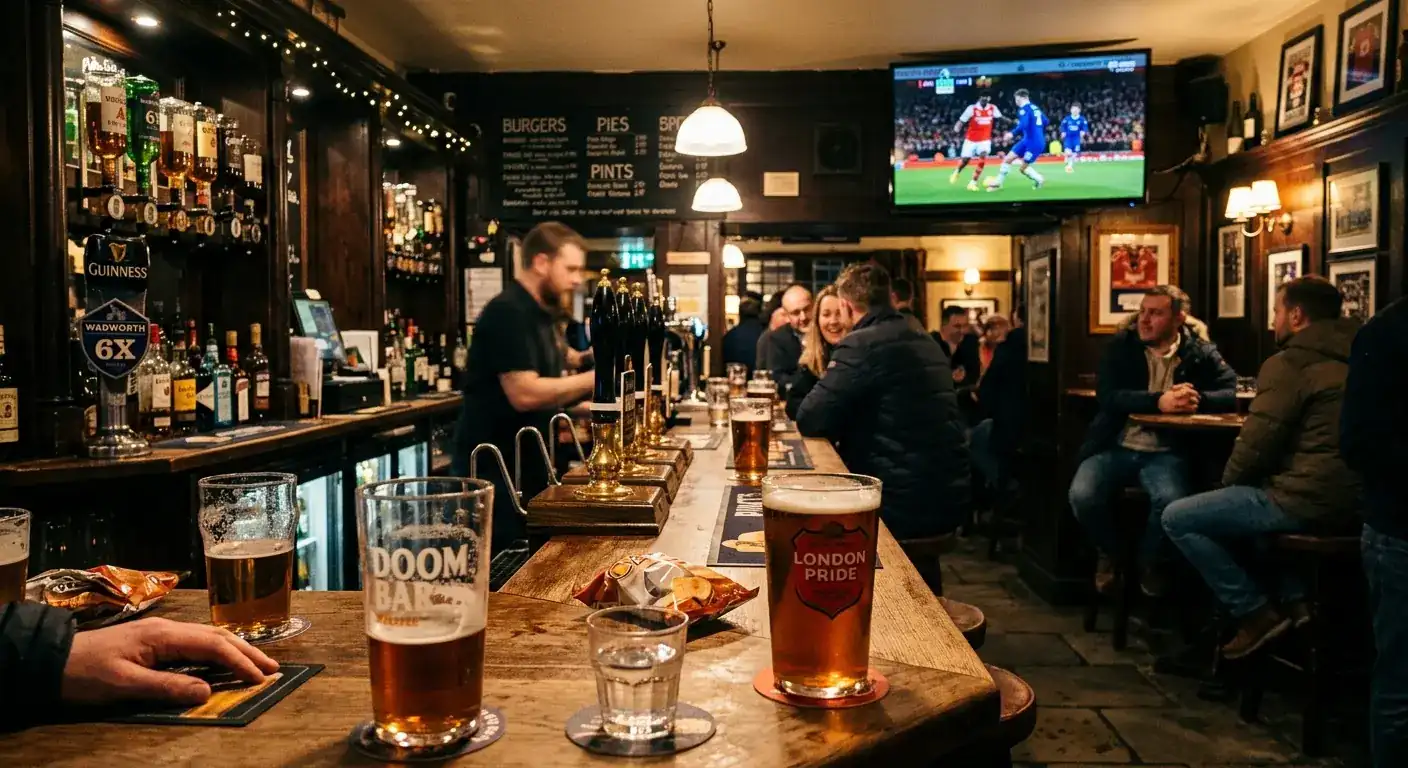
Welcome offers and ongoing promotions are the other pressure point. Free bets, deposit bonuses and acca boosts all come from operator marketing budgets. When tax eats into profits, marketing spend gets trimmed. I’ve already seen several operators reduce the headline value of their welcome offers in early 2026, and the GBD rise in 2027 will likely accelerate that trend.
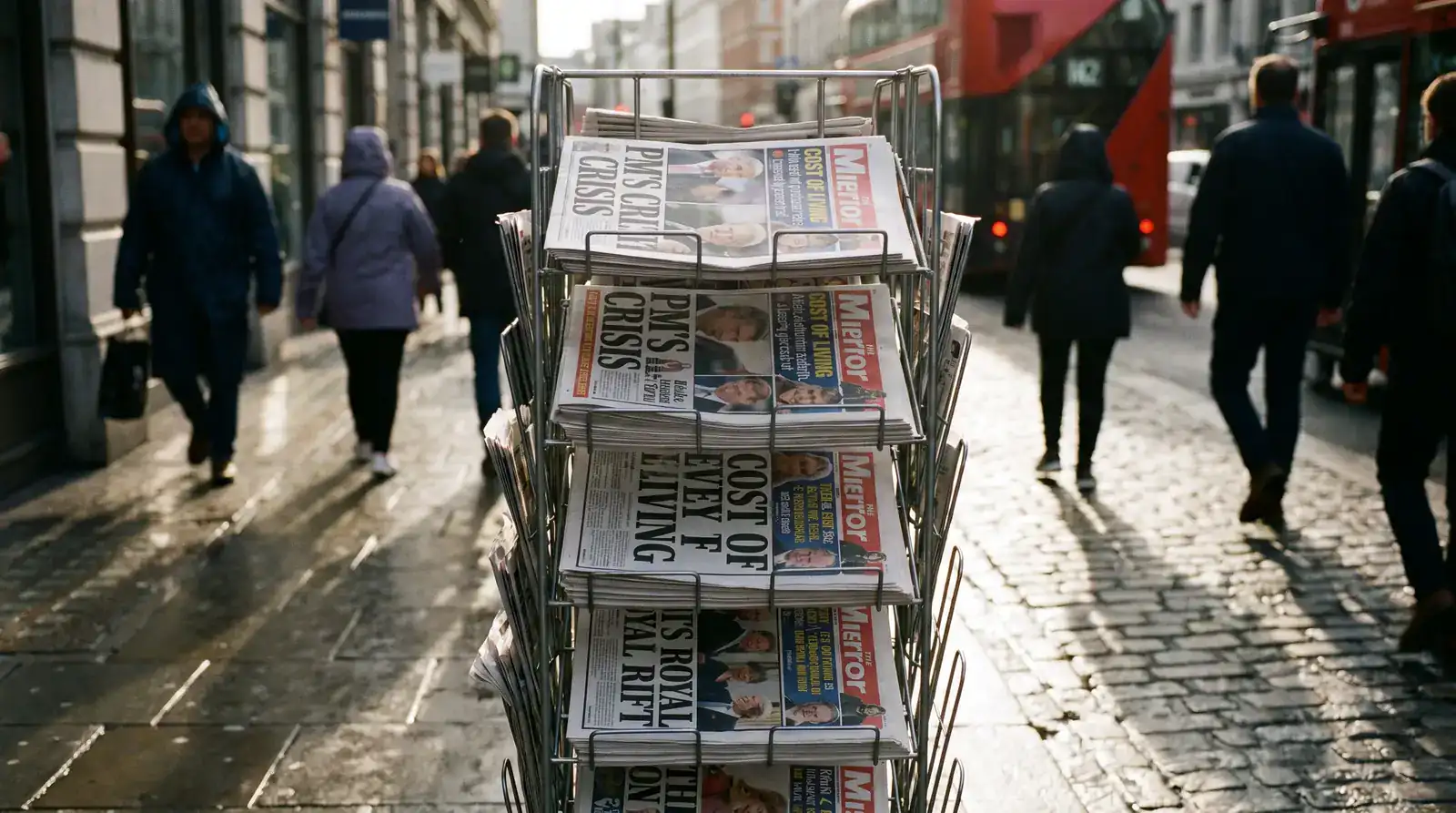
Tax Pressure and Black Market Growth
The uncomfortable backdrop to the tax debate is the growth of unlicensed betting in the UK. Bets placed with unregulated operators grew from £5 billion in 2019 to £16.6 billion by 2025 — a tripling in six years. The share of total UK betting handled through regulated channels dropped from 97% to 92% over the same period. Every percentage point of market share that moves offshore represents lost tax revenue, lost consumer protection, and lost responsible gambling oversight.
Higher taxes make the economics worse. An unlicensed operator paying zero UK duty can offer better odds, bigger bonuses and fewer account restrictions than a regulated competitor now shouldering a 40% RGD. The government argues that enforcement — the Gambling Commission issued 741 Cease and Desist orders against unlicensed operators in 2025/26 — can contain the black market. Industry bodies counter that enforcement alone cannot compete with a structural price advantage.
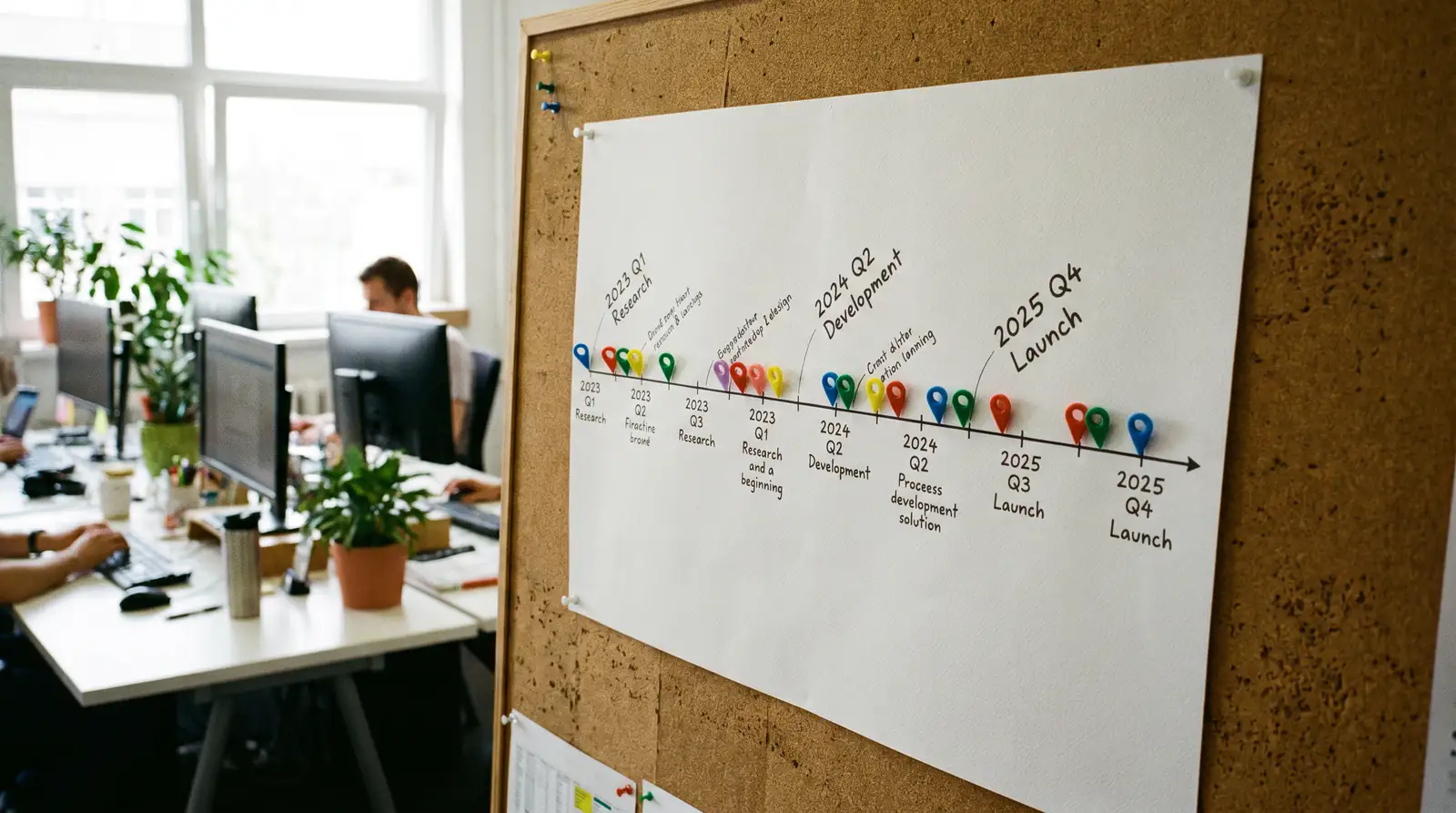
For individual bettors, the tax changes don’t create a direct liability — UK punters pay no tax on their winnings. But the indirect cost is real: tighter odds, smaller bonuses, and a regulated market that becomes incrementally less competitive against offshore alternatives that carry none of the consumer protections a UKGC licence guarantees. The tax reform is, ultimately, a bet by the Treasury that the regulated market can absorb the cost without losing too many customers to the shadows. The next two years will show whether that bet pays off.
Do UK bettors pay tax on their winnings?
No. Since 2001, UK bettors have paid no tax on gambling winnings. The tax burden falls entirely on the operator through duties like Remote Gaming Duty and General Betting Duty. However, the cost is passed through indirectly via less competitive odds and smaller promotions.
How will higher gambling taxes affect the odds I get?
The government estimates operators will pass up to 90% of the tax increase to consumers through wider odds margins. In practice, this means slightly worse prices across football markets — perhaps 1-3 ticks per selection — which compounds significantly over time, especially in accumulators.
When does the new General Betting Duty rate take effect?
The GBD increase from 15% to 25% for remote betting operators takes effect in April 2027. The Remote Gaming Duty increase from 21% to 40% already took effect on 1 April 2026. Horse racing betting retains its existing 15% GBD rate.
Prepared by the Football Betting Sites editorial staff.