
Corners and Cards Betting: Finding Value in Niche Football Markets
 Available in US
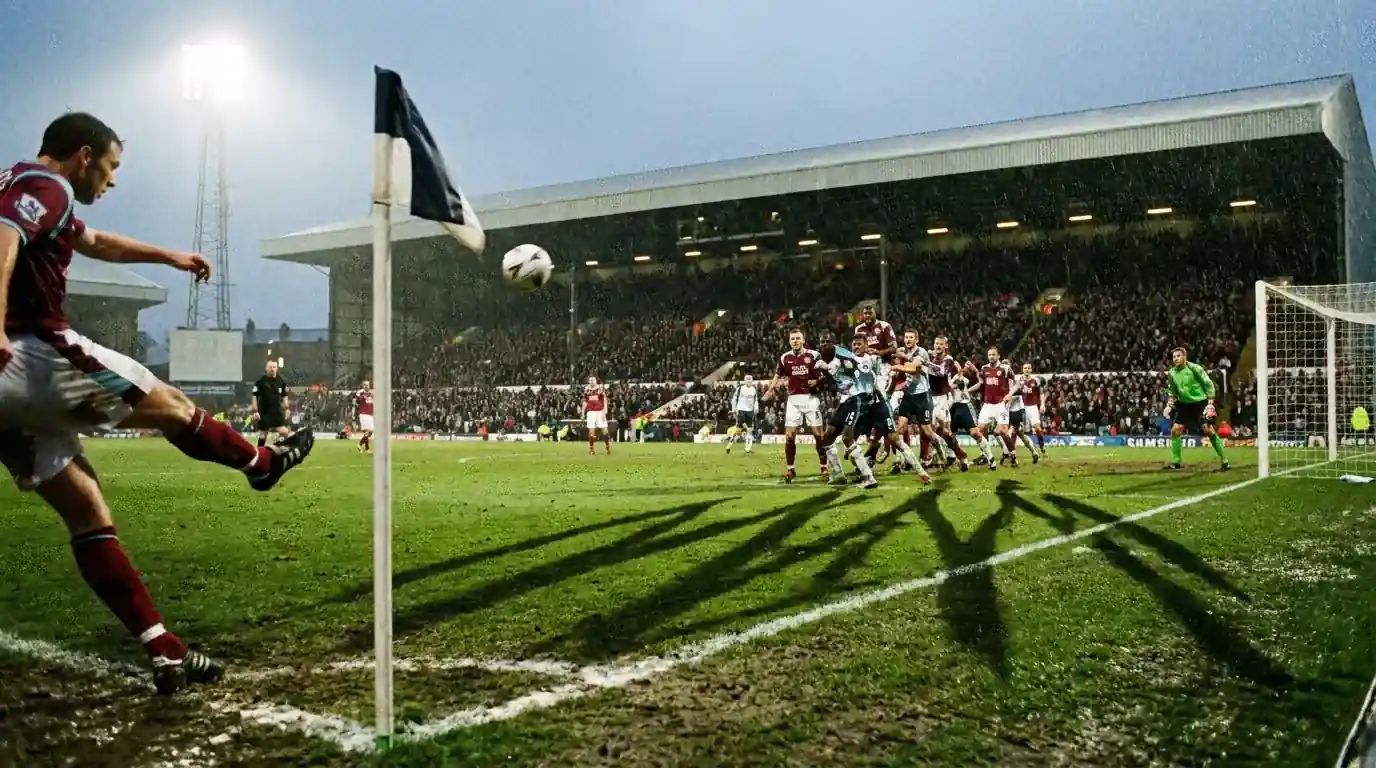
I started tracking corner counts four years ago as a side project, mostly out of curiosity. Within two seasons it had become my most profitable market. Corners and cards sit in a category the industry calls “alternative markets” — secondary to the main 1X2 and goals lines that drive most of the UK’s £1.3 billion in annual remote football betting GGY. Their niche status is precisely what makes them attractive. Less liquidity, less sharp money correcting the prices, and more room for anyone willing to dig into the data.
Total Corners, Team Corners and Match Corner Lines
The standard corner market is total match corners, with a line set by the bookmaker — typically around 9.5 or 10.5 for a Premier League fixture. Over 10.5 corners means 11 or more corners in the match must be awarded; under means 10 or fewer. The pricing structure mirrors over/under goals: a two-way market with no draw, settled on the official match statistics.
Team corner markets are where the opportunities increase. Rather than predicting the total, you’re assessing how many corners a specific side will win. The factors that drive team corners are different from those that drive goals: a team that plays wide and crosses frequently generates more corners than a team that plays through the centre, regardless of how many goals either scores. Home advantage is also more pronounced in corner markets than in goal-scoring — home sides consistently win more corners than away sides across virtually every league I’ve studied.
Half-by-half corner lines add another layer. First-half corner totals are particularly interesting because they’re influenced by opening tactical approaches. A team that presses high in the first 20 minutes and forces the opposition into defensive clearances generates an above-average first-half corner count, even if the match later settles into a more controlled pattern. These short-range patterns are predictable from tactical data but underweighted by standard pricing models, which tend to treat corners as a function of overall team strength rather than in-game tactical phases.
Booking Points and Player Card Markets Explained
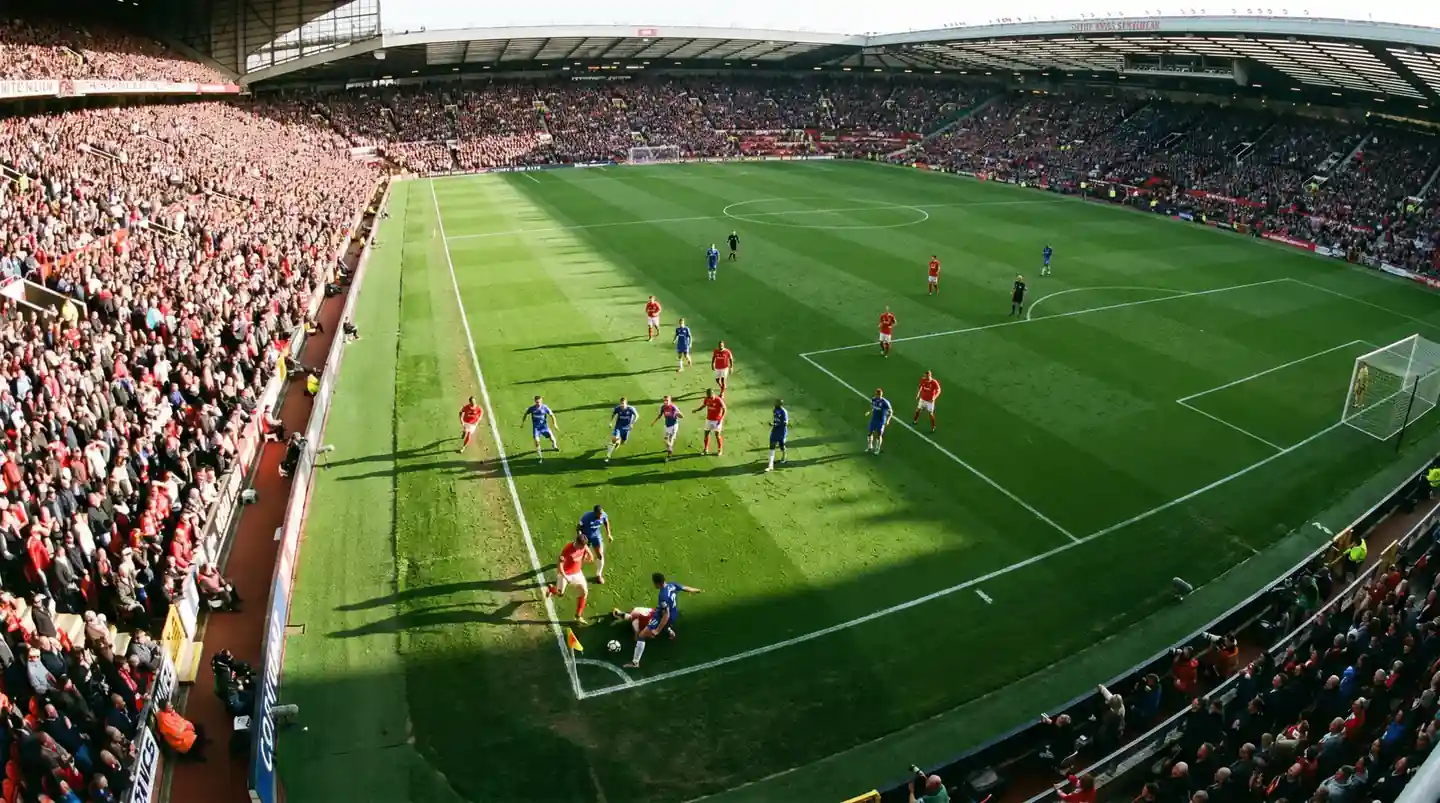
Booking points assign numerical values to cards: typically 10 points for a yellow and 25 for a red (a second yellow resulting in a red usually scores 35 total — 10 for each yellow plus 25 for the red). The total booking points market sets a line — commonly 30.5 or 40.5 for a Premier League match — and you bet over or under.
The UK online sports betting market generated $8,284 million in revenue during 2025, with sports betting accounting for 57.1%. Card and booking point markets represent a sliver of that figure, which means operator investment in pricing these markets is proportionally lower. The models are cruder, the lines are updated less frequently and the margins are wider — typically 106-110% overround compared to 103-105% on 1X2 markets. That wider margin is the cost of entry, but the pricing errors are larger too.

Player-level card markets — “Player X to be shown a card” — are the thinnest and most volatile. The pricing factors I’ve found most predictive are: the player’s season card count, their position and role (defensive midfielders and full-backs receive more cards than centre-backs or forwards), the referee’s cards-per-match average, and the fixture context (derbies and relegation battles produce more cards than mid-season friendlies). Stacking these factors against the bookmaker’s implied probability regularly identifies selections where the true probability exceeds the market price.
Adding Corners and Cards to Bet Builders
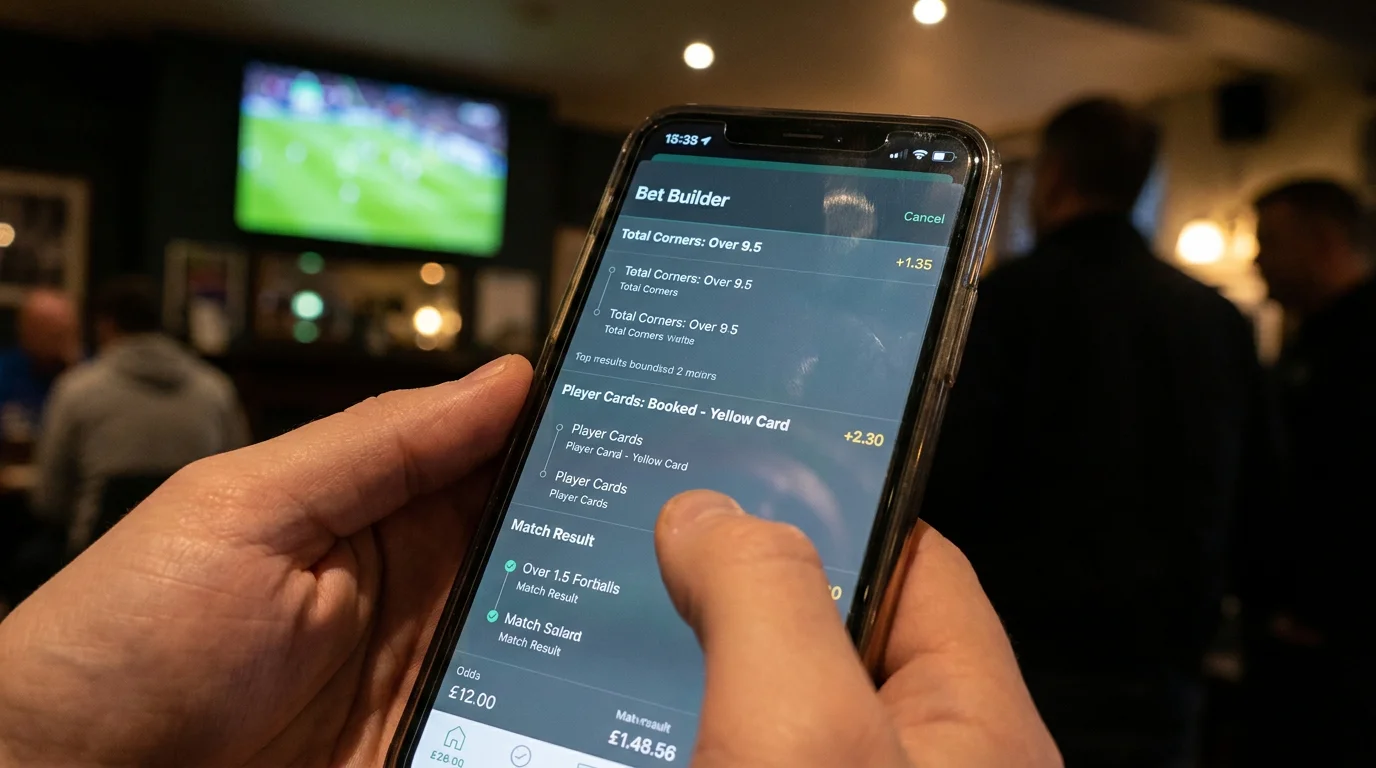
Corners and cards are common bet builder legs, and their inclusion changes the risk profile of the combined bet. The correlation between corner counts and goal-scoring is weak — a high-corner match isn’t necessarily a high-goal match, because corners can come from speculative crosses and defensive clearances rather than genuine goal-scoring chances. This weak correlation means adding a corner leg to a goals-based builder doesn’t dramatically change the joint probability, which can work in your favour.
Card legs, by contrast, have a slight positive correlation with certain other markets. Matches with more cards tend to have more fouls, which can correlate with lower goal counts if the referee’s interventions break up attacking play. Adding an “over booking points” leg to a builder that also includes “under 2.5 goals” stacks two loosely correlated conditions, which bookmaker pricing models sometimes handle clumsily. The combined price may not fully account for the positive correlation, leaving a small edge.
Where to Find the Data for Corners and Cards Analysis
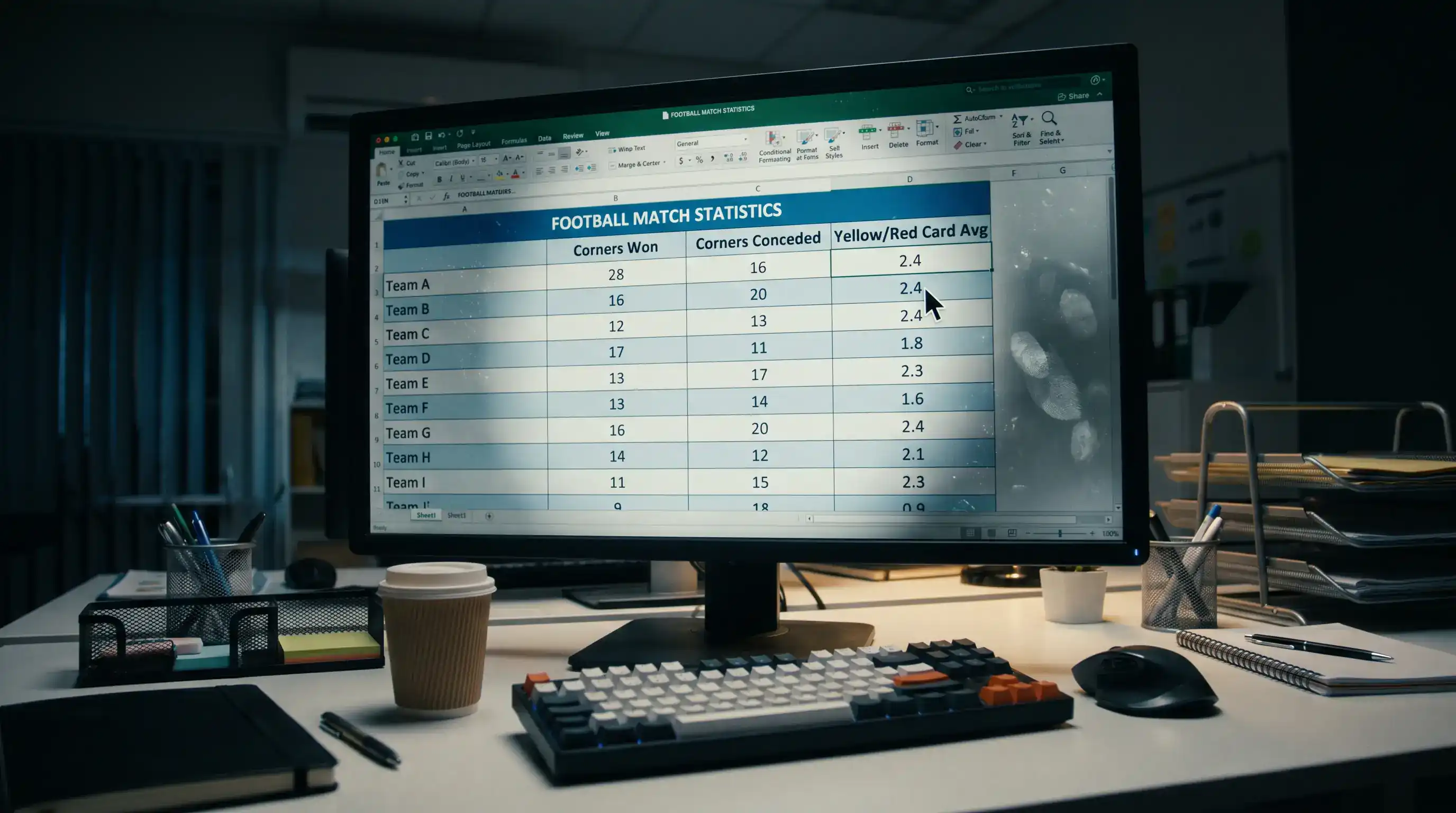
The good news: corner and card data for the Premier League, Championship and major European leagues is publicly available at a level that goals data wasn’t five years ago. Match-level corner counts, team corner averages, booking point totals, referee statistics and player card histories are all accessible through free football statistics sites. The raw data is there. The analytical work is turning it into per-fixture probability estimates that you can compare against bookmaker prices.
I build my corner models using 15-match rolling averages for team corners won and conceded, adjusted for home/away splits and opponent strength. For cards, I use a smaller sample — 10 matches — because card rates are more volatile and older data decays faster. Referee assignment is a critical input: a referee averaging 4.5 cards per match versus one averaging 2.8 changes the booking points line by 10+ points, and the bookmaker doesn’t always adjust fast enough after the referee appointment is announced on the Thursday or Friday before a weekend fixture.
The edge in corners and cards is not in having better data than the bookmaker. They have access to the same statistics and more. The edge is in applying focused analysis to a market that receives less pricing attention than goals and results. The bookmaker’s best traders are working on the 1X2 and over/under markets where the biggest volumes sit. Corners and cards are priced by a thinner team, with wider margins but also wider errors. Your job is to find the errors before the margin eats the advantage.

Which UK bookmaker offers the most corners and cards markets?
The operators with the deepest alternative market coverage vary by fixture and season. For Premier League matches, most major bookmakers offer total corners, team corners, half-by-half corners, booking points and selected player card markets. Coverage thins significantly for lower-league matches. Checking two or three bookmakers per fixture is the most reliable way to find the widest range of available markets.
How are booking points calculated in football betting?
The standard system awards 10 points for a yellow card and 25 points for a red card. A player who receives two yellows and is then shown a red typically accumulates 35 points (10 + 10 + 25, though the exact formula varies by bookmaker). The total booking points line for the match is then set, and you bet over or under that line.
Published by the Football Betting Sites team.