Draw No Bet in Football: How the Market Works and When It Offers Real Value
 Available in US

I lost count of how many bets I threw away in my first two years because I backed a team to win and watched them grind out a goalless draw. The selection was right — they were the better side, they created the chances — but the three-way market punished me for a draw that felt like a non-result. Draw no bet exists to solve that exact problem. It strips out the draw entirely: your team wins, you win; the match draws, your stake is returned; your team loses, you lose. It took me longer than it should have to realise this market deserved a permanent place in my toolkit.
How Draw No Bet Pricing Compares to 1X2 and Asian Handicap
The first thing I noticed when I started using draw no bet seriously was the price compression. A team priced at 2.10 to win on the 1X2 market might be available at 1.60-1.70 on draw no bet. That drop makes sense mathematically — you’re removing the draw scenario where you lose, so the bookmaker adjusts the odds downward to compensate for the reduced risk.
Draw no bet is functionally identical to a 0.0 Asian handicap line. Both return your stake on a draw and pay out only on a win. The pricing should be identical, but in practice I’ve found small discrepancies between the two markets at the same bookmaker — sometimes the DNB price is fractionally better, sometimes the Asian handicap 0.0 is. Checking both before placing is a habit worth building.

Football generated £1.3 billion in remote betting GGY in the UK in the year to March 2025, and a significant share of recreational bettors never look beyond the match-result market. The Asian handicap and draw no bet markets carry tighter margins than 1X2 — typically 102-104% overround versus 103-106% — precisely because they attract more informed money and fewer casual punters.
When Draw No Bet Genuinely Adds Value to Your Slip
Last season I tracked every fixture where I had a view on the winner but assessed the draw probability at above 28%. In those matches, draw no bet consistently outperformed backing the win on the 1X2 market over a sample of 180 bets. The reason is straightforward: when a draw is likely, the insurance against that outcome carries more value relative to the price you sacrifice.
Cup matches are a prime use case. In the FA Cup third and fourth rounds, Premier League sides visiting lower-league opponents frequently dominate possession and chances but struggle to break through organised defences. The draw probability in these fixtures is higher than the raw quality gap suggests, and the DNB market lets you back the favourite without the risk of a stubborn 0-0 or 1-1 sending you home empty-handed.

Away wins are the other sweet spot. Home advantage in the Premier League is real but declining — and away wins still feel riskier to most punters than the data supports. Drawing away is the most common “near miss” outcome for a side you’ve identified as likely winners. DNB turns that near miss into a refund rather than a loss, at a cost that’s often smaller than you’d expect.
The Price You Pay for Draw Protection
Nothing is free. The cost of draw protection is lower odds on the win. If a team is 2.40 to win on the 1X2 and 1.75 on draw no bet, you’re sacrificing 27% of your potential profit per winning bet in exchange for stake protection on draws. Over a season, whether that trade-off is positive depends entirely on the draw rate of the fixtures you’re selecting.
The UK online sports betting market generated $8,284 million in revenue during 2025, with sports betting accounting for 57.1%. A substantial portion of that revenue comes from bettors who take the higher 1X2 price without considering whether the draw risk justifies the premium. If the true draw probability is 25% and you’re giving up 20% of your profit to insure against it, the maths works in your favour. If the draw probability is 15% and the price sacrifice is 30%, you’re overpaying for insurance you rarely need.

The calculation is personal. I use DNB primarily on fixtures where my model assigns a draw probability above 25% and the price sacrifice is under 25%. Below that threshold, the standard win bet offers better expected value. Above it, the draw protection more than compensates for the reduced payout. Running these numbers before each bet takes 30 seconds and consistently improves my returns across the season.
Draw No Bet in Accumulators and Multiples
DNB in accumulators is underused and overvalued simultaneously. It’s underused because most casual acca bettors default to 1X2 without considering alternatives. It’s overvalued because some bettors treat it as a safety blanket that eliminates risk — it doesn’t. A DNB accumulator still requires all selections to win; the only difference is that a draw on any leg voids that leg rather than killing the entire slip.
The voiding mechanism creates interesting dynamics. In a four-fold accumulator, if one leg draws, your bet becomes a three-fold at the remaining odds. You don’t lose, but your payout drops significantly. Two draws and you’re left with a double. Three draws and you have a single. The protection is real but partial — and the reduced odds on each leg mean the combined payout of a full DNB acca is substantially lower than the equivalent 1X2 acca.
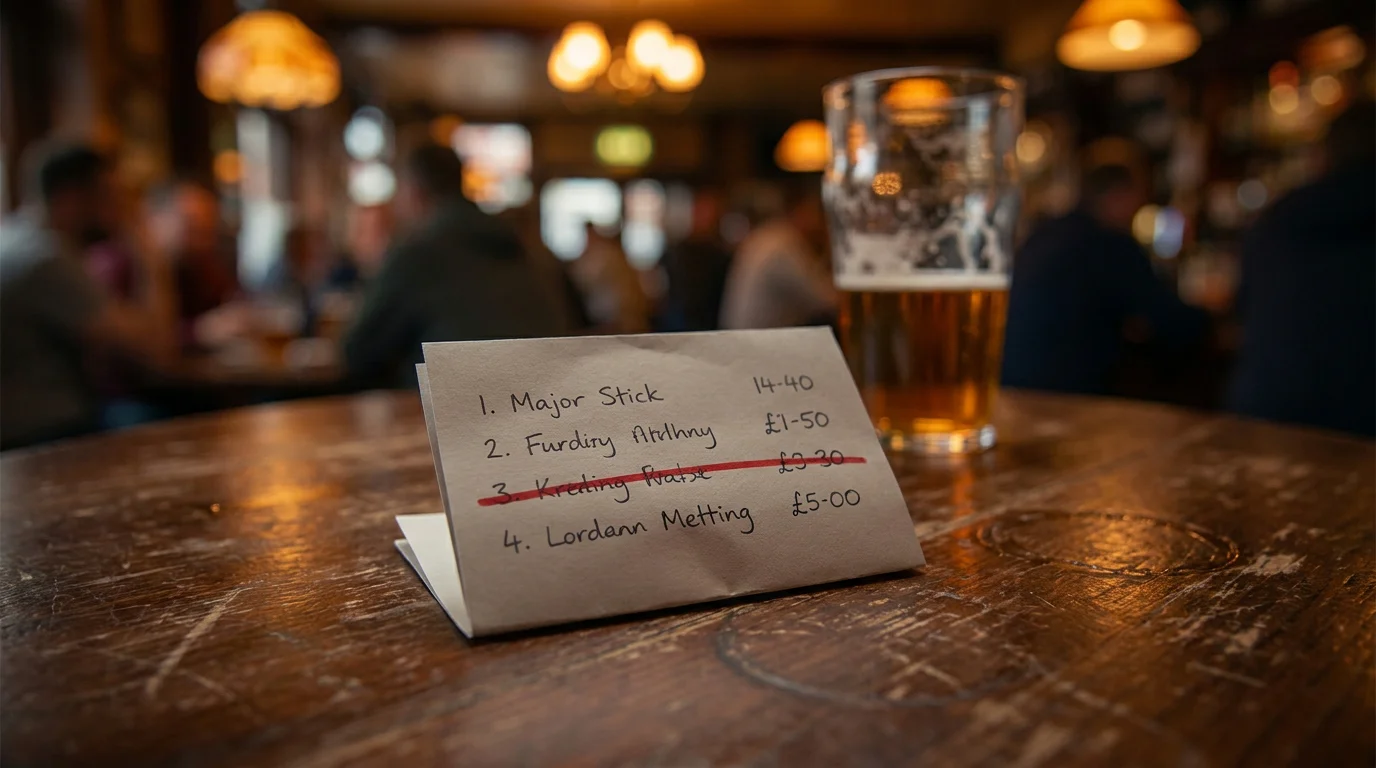
For bettors who build weekend accumulators around strong views on three or four fixtures, replacing the weakest conviction selection with DNB rather than applying it across the board is a pragmatic approach. You maintain most of the accumulator’s payout potential while insuring the leg most likely to produce a draw. That targeted use is where I’ve found the market most valuable.

Is draw no bet the same as Asian handicap 0.0?
Functionally, yes. Both markets return your stake if the match finishes level and pay out only if your selected team wins. Pricing should be identical, but minor discrepancies between the two markets at the same bookmaker do occur, so checking both before placing your bet is worthwhile.
What happens to a draw no bet selection in an accumulator if the match draws?
The draw no bet leg is voided and your accumulator is recalculated at the reduced number of legs. A four-fold becomes a three-fold, a three-fold becomes a double, and so on. You don’t lose the entire bet, but the payout is reduced to reflect the remaining selections.
Written by the editors at Football Betting Sites.