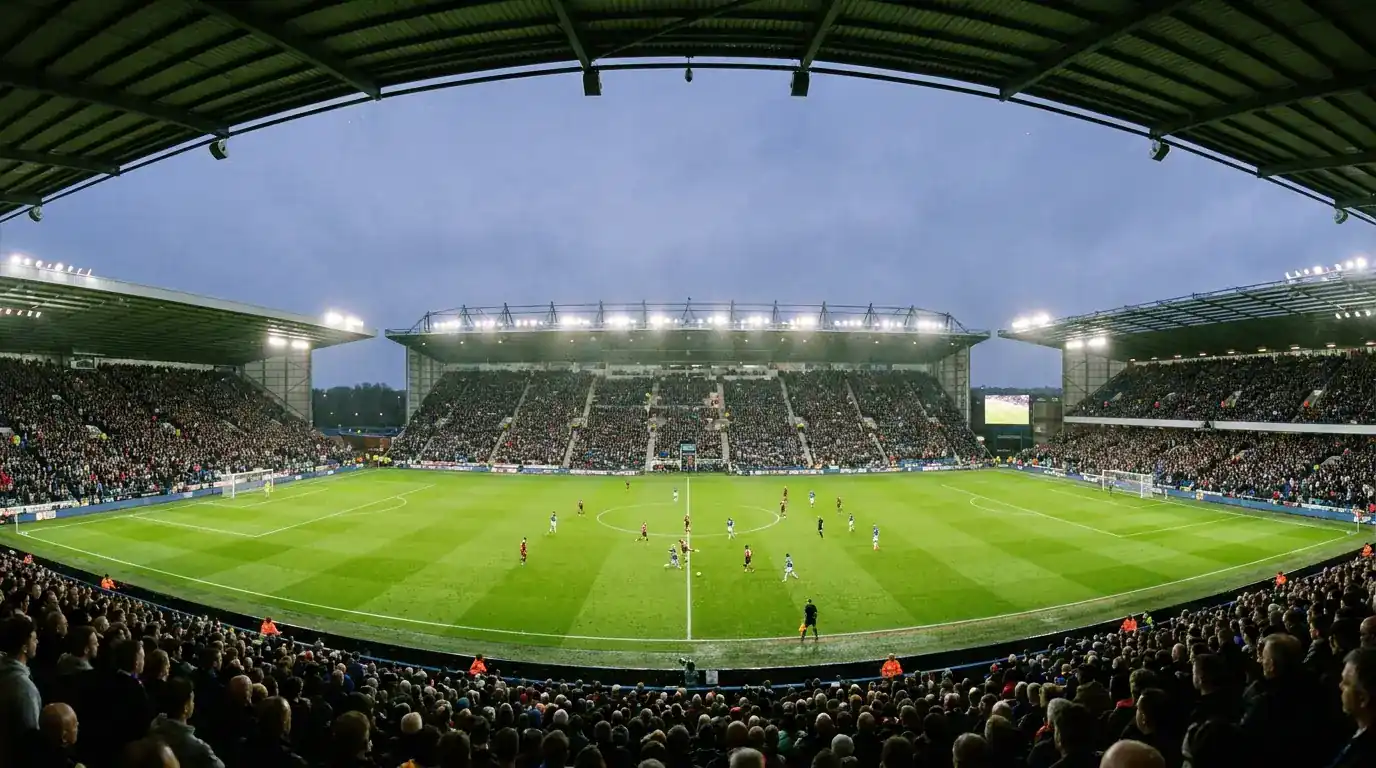
Gambling Sponsorship Ban on Football Shirts: What Changes From 2026/27
 Available in US
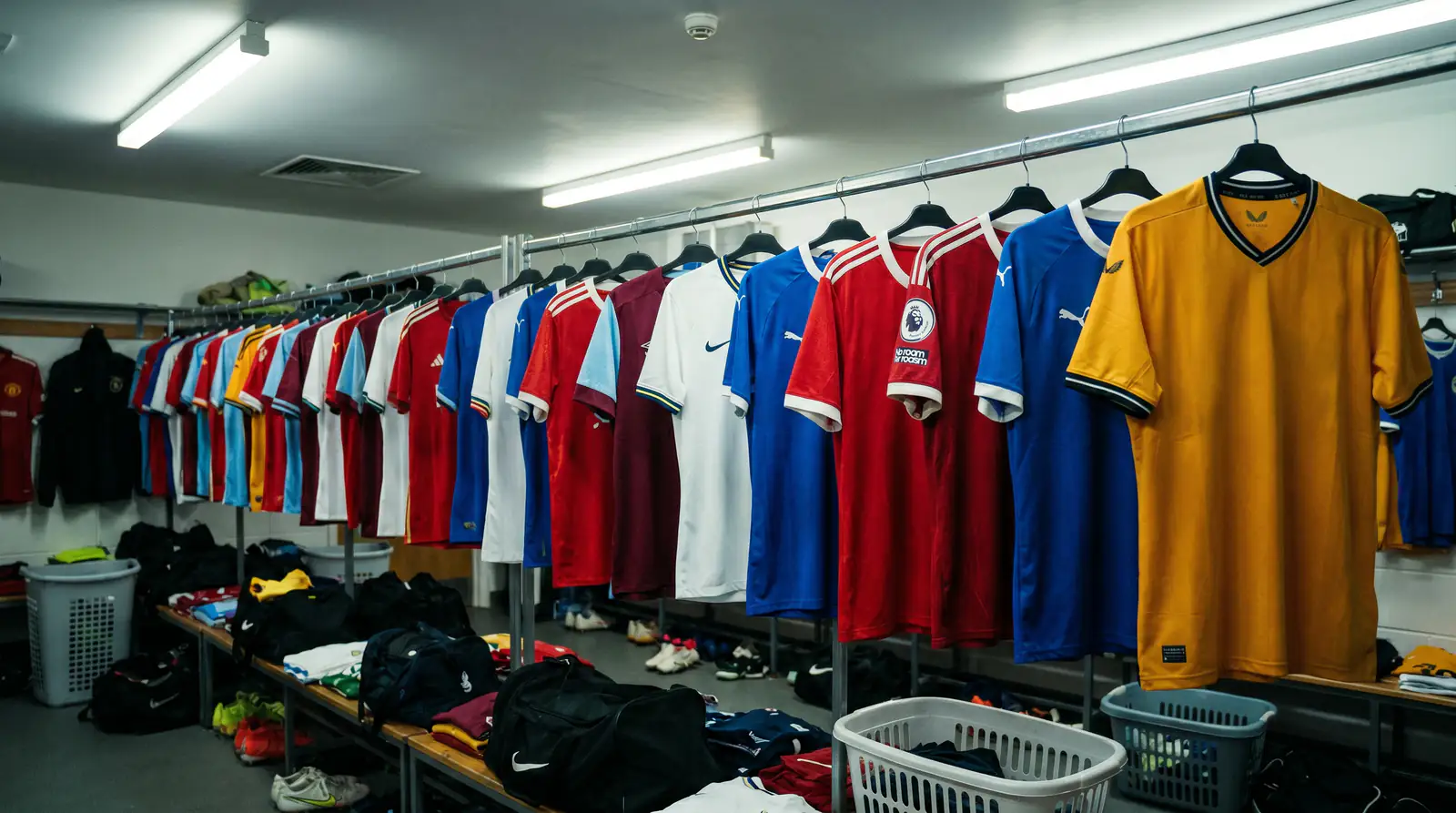
Eleven of twenty Premier League clubs carried a gambling brand as their primary front-of-shirt sponsor during the 2025/26 season. From 2026/27, that number drops to zero. The legislative ban on gambling logos on football shirts represents the end of a relationship that defined English football’s commercial landscape for over a decade and pumped more than £140 million per season into Premier League club revenues. The money has to be replaced, the advertising has to go somewhere, and the downstream effects on the betting market are already visible.
Timeline: From Voluntary Code to Legislative Ban
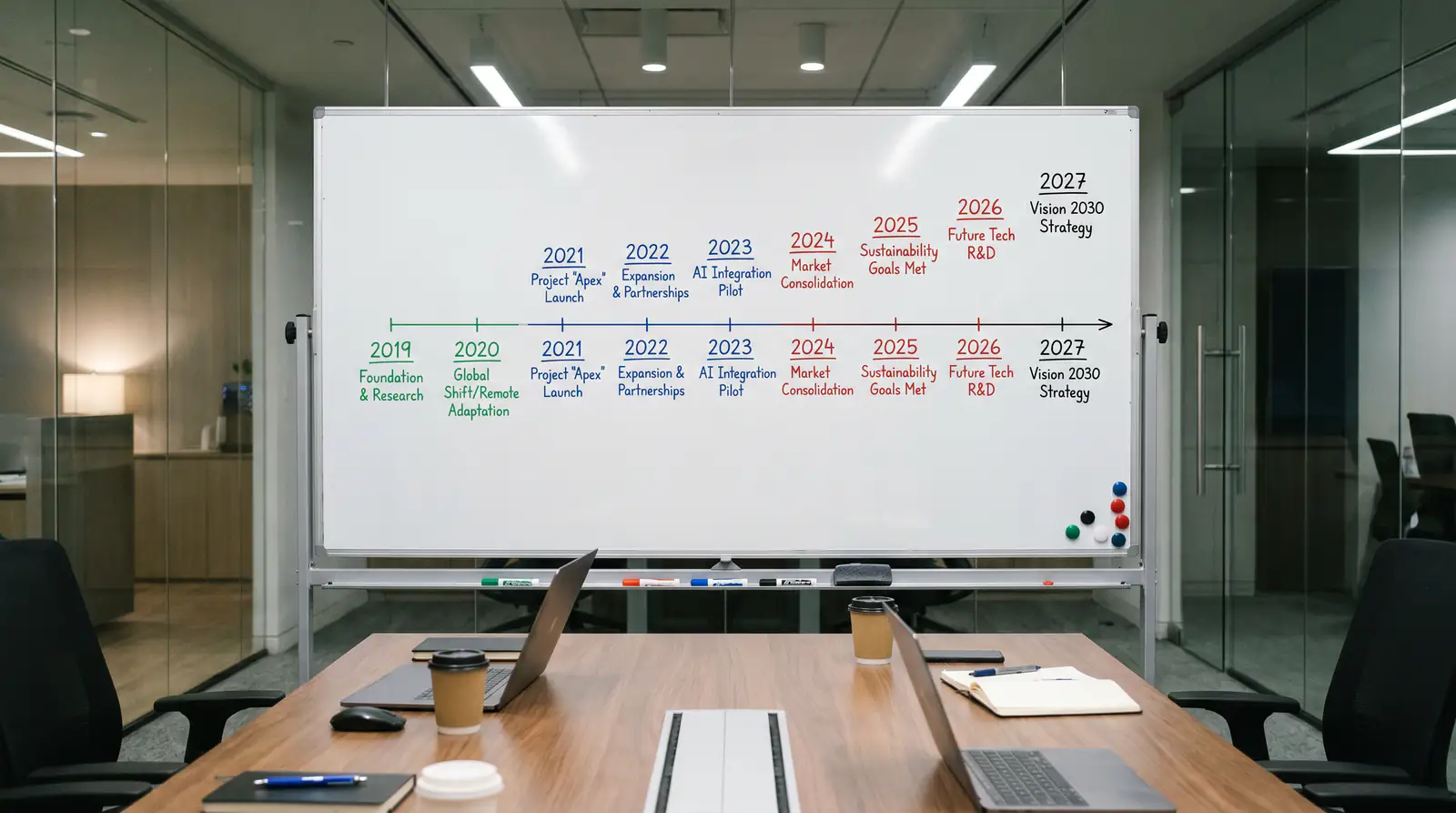
The ban didn’t arrive overnight. The trajectory started with the 2019 “whistle-to-whistle” advertising restriction, which barred gambling ads during live sport broadcasts before the 9pm watershed. That was a voluntary code, adopted by operators under pressure rather than by statute. The Gambling Act White Paper in 2023 flagged front-of-shirt sponsorship as a priority area, and a voluntary industry phase-out began — but with limited compliance. The combined value of gambling sponsorship deals on Premier League shirts exceeded £140 million per season, and clubs were reluctant to walk away from that revenue without a mandate.
The mandate came in the form of legislation effective from the 2026/27 season. Gambling brands are prohibited from appearing as the primary front-of-shirt sponsor on any English professional football club’s kit. Sleeve sponsorship and stadium naming rights remain permitted under the current rules, though further restrictions are under review. The ban applies across all four divisions of the English Football League, not just the Premier League.
The political dynamics accelerated the timeline. Public health campaigners had spent years arguing that gambling logos on football shirts normalised betting among children and young people — and the data supported the concern. In 2025, 31% of young people reported seeing gambling promotions from influencers, and 49% were exposed to gambling advertising through social media weekly. Whether shirt sponsorship specifically drove youth gambling engagement is debated, but the visibility of betting brands on Match of the Day every Saturday evening made the political case straightforward. Parliament acted on the optics as much as the evidence.
The £140 Million Revenue Gap for Premier League Clubs
Eleven clubs losing a gambling shirt sponsor simultaneously creates a supply-demand imbalance in the sponsorship market. Alternative sponsors from technology, automotive, financial services and cryptocurrency sectors are the most likely replacements, but the competition among 11 clubs seeking new partners at the same time compresses the prices they can command. Dean Akijobe of Football Media estimated the combined value at over £140 million — and replacing that figure like-for-like in a single transfer window was always unrealistic.
The financial impact is asymmetric. For the wealthiest clubs, whose shirt sponsorship slots command £40-50 million annually from global brands, the loss of a gambling sponsor is a negotiating inconvenience. For mid-table and lower-table clubs, where a gambling deal worth £8-15 million represented a significant share of commercial income, the revenue gap is proportionally larger and harder to fill. Some clubs began securing replacement sponsors months before the ban took effect; others entered the 2026/27 season still in negotiation.
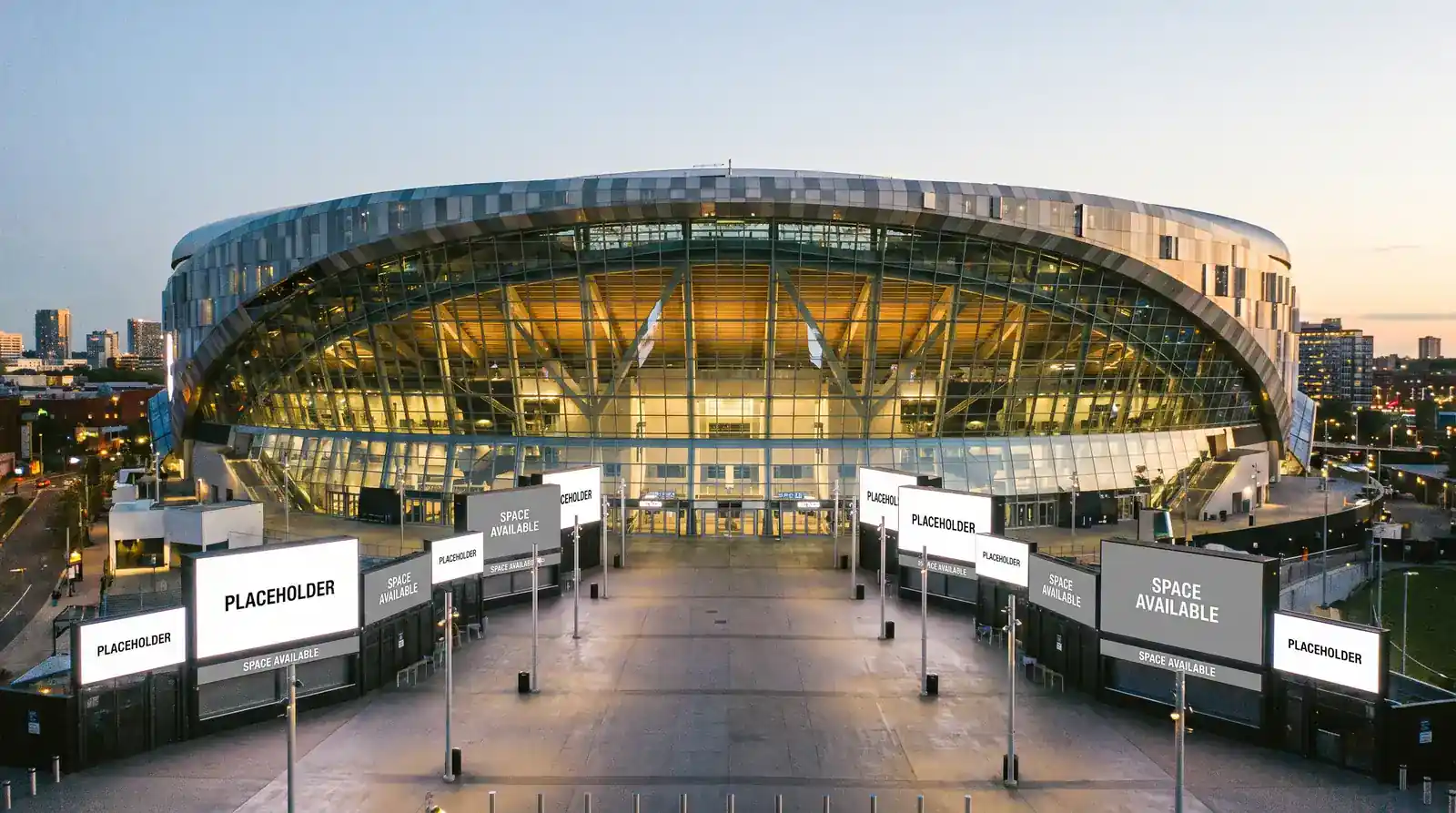
The Championship and lower divisions face an even steeper challenge. Gambling sponsors were willing to pay above-market rates for shirt space because the exposure during televised matches delivered direct, trackable customer acquisition. A Championship club whose gambling deal was worth £2-3 million per season cannot easily find a non-gambling brand willing to pay the same figure for a smaller audience. The ban’s architects acknowledged the revenue disruption but argued that the social cost of front-of-shirt gambling normalisation outweighed the commercial benefit — a judgement that clubs reliant on that income understandably view differently.
Where Gambling Advertising Moves Next
The shirt ban doesn’t eliminate gambling advertising from football — it displaces it. Licensed operators cut their advertising budgets by 9.2% to £1.05 billion in 2025-26, responding to regulatory pressure and higher taxes. But unlicensed operators moved in the opposite direction, increasing their promotional spending by 32% to £844.7 million over the same period. WARC research projects that unlicensed operators will account for more than half of all gambling sponsorship advertising spending by 2026/27.
Grainne Hurst of the Betting and Gaming Council called that finding something that should “ring alarm bells” for the government, urging authorities to go further and faster to clamp down on the black market before it’s too late.
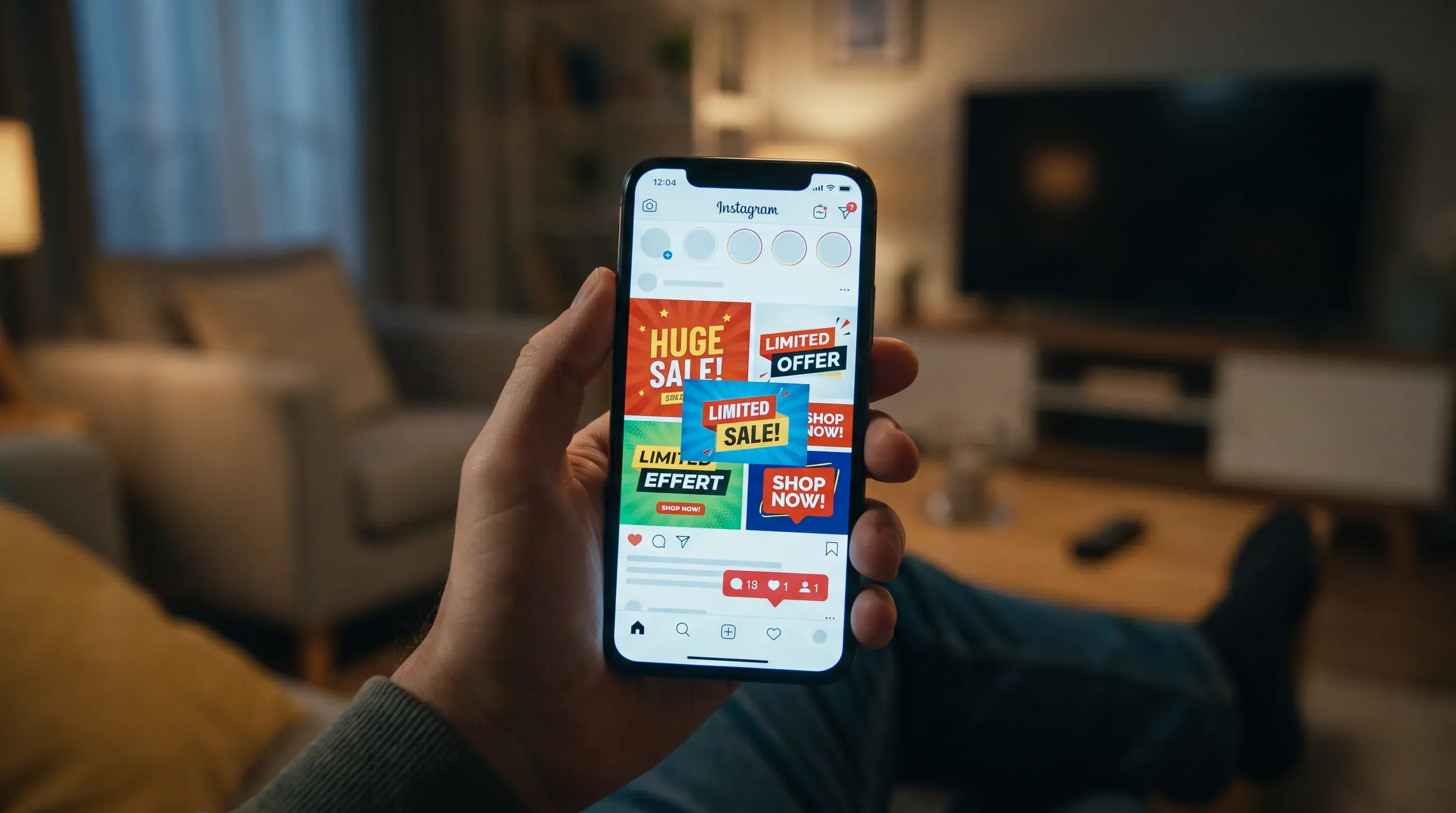
The concern is structural: the shirt ban restricts a high-visibility channel used by licensed, regulated operators, while the unlicensed market — which operates outside advertising regulations — shifts its spend to digital channels, social media influencers and encrypted messaging platforms that are harder to police.
For bettors, the practical effects of the advertising shift are indirect but real. Less visible advertising from regulated brands means fewer public-facing promotions, smaller acquisition budgets and potentially less competitive welcome offers. More spending by unlicensed operators means more exposure to offshore brands offering attractive prices with none of the consumer protections that UKGC licensing guarantees. The advertising landscape is becoming more fragmented, less transparent and harder for individual punters to navigate.

Within the regulated market, the advertising spend that previously went to shirt sponsorship is migrating toward digital performance marketing, podcast sponsorships, stadium perimeter boards (still permitted) and data-driven personalised offers delivered through apps and email. These channels are less visible to the general public but more targeted at existing and lapsed customers. The era of gambling brands sitting on the front of a Premier League shirt every Saturday — visible to every casual viewer, normalised as part of the matchday experience — is ending. What replaces it will be less prominent, more fragmented, and concentrated in spaces where only active bettors see it.
The shirt ban is a symbolic milestone as much as a commercial one. Whether it meaningfully reduces gambling-related harm, or simply pushes advertising into less visible and less regulated channels, is a question that the next few seasons will answer. What’s certain is that the commercial relationship between English football and the betting industry isn’t ending — it’s transforming. The money, the incentives and the audience are too large for either side to walk away.
Does the shirt sponsorship ban apply to Championship and lower leagues?
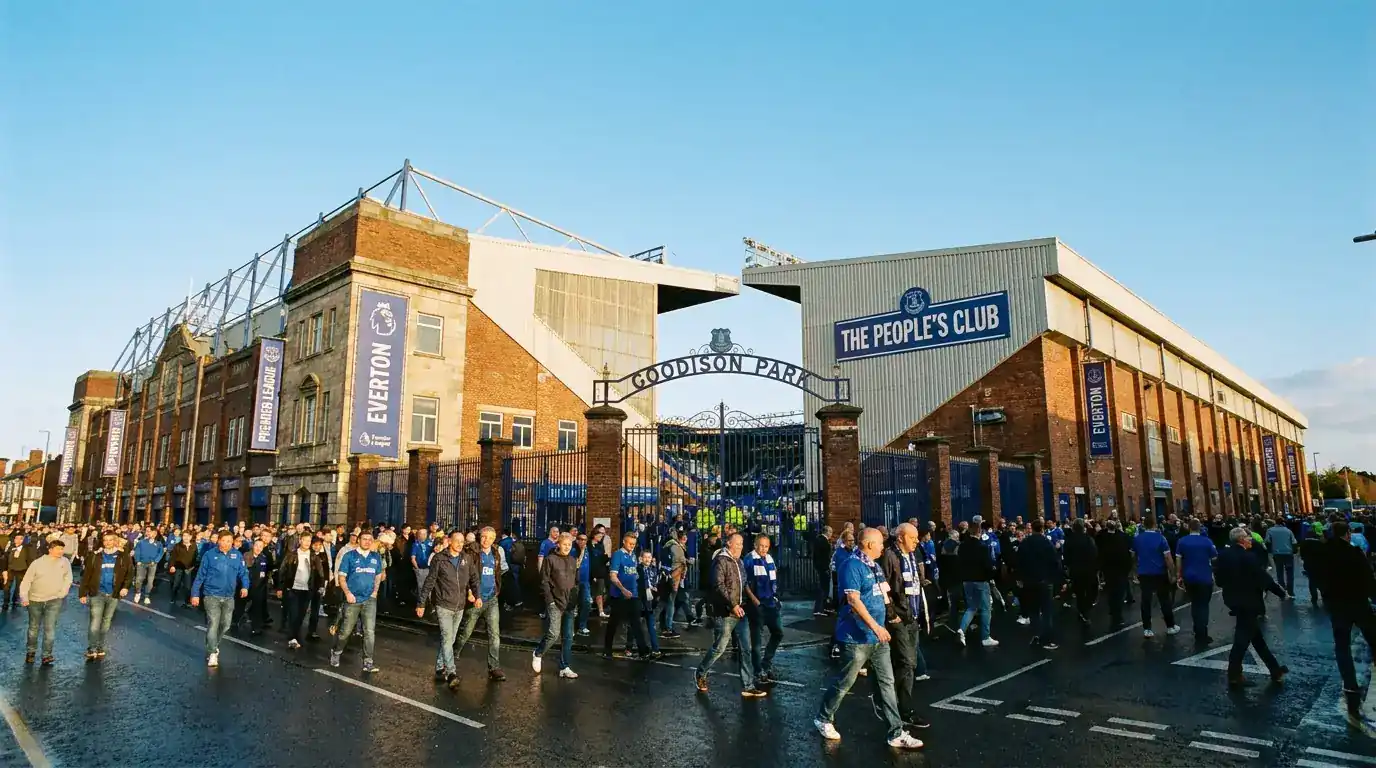
Yes. The ban on gambling brands as front-of-shirt sponsors applies across all four divisions of the English Football League, not just the Premier League. This means Championship, League One and League Two clubs are all affected. The financial impact per club is proportionally significant at lower levels where alternative sponsors are harder to attract.
Can gambling brands still sponsor stadium naming rights after 2026/27?
Under the current legislation, stadium naming rights and sleeve sponsorship remain permitted for gambling brands. However, these areas are under review, and further restrictions may follow. The current ban is specifically targeted at the primary front-of-shirt position, which is the most visible placement during live broadcasts.
Published by the Football Betting Sites team.